Two Eggs, Chips and a Deadpan: The Night I Learned Comedy at £2 a Pint
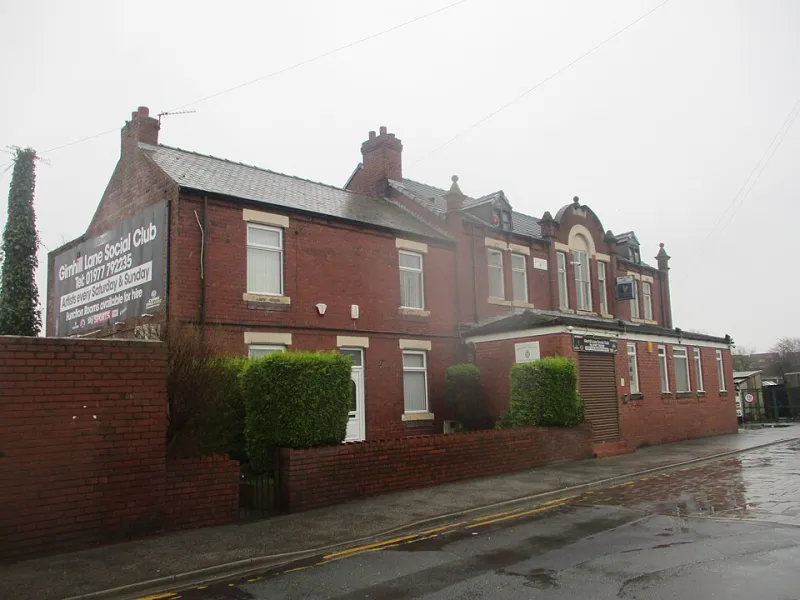
Photo: Mtaylor848, CC BY-SA 4.0, via Wikimedia Commons
There is a moment at every working men's club — usually around 8:40pm, usually during the raffle — when the room achieves a state of collective peace that no meditation app has ever replicated. Forty people, average age somewhere north of sixty, holding numbered tickets with the solemnity of a jury. A man in a tank top wins a tin of shortbread. The room erupts. Nothing all week will top this, and everyone present knows it.
I'd come to the Nelson Institute on a wet Saturday because I'd heard the comedy was dying, and I wanted to see what that looked like before it finished. What I found instead was the most alive room in Britain.
The Warm-Up Man Is the Actual Main Event
The compere — a fella called Denis who has done the Nelson since before I was born — opens with a line about his ex-wife that would get a Netflix special cancelled, and the room goes up like a bonfire. Denis isn't trying to be edgy. Denis is trying to get through to the interval, and the crowd loves him for it.
Here's the thing nobody tells you about club comedy: the audience is the co-writer. When Denis says "anyone in from Barnsley?" and a voice at the back shouts "worse luck," Denis doesn't panic — he folds it into the next three jokes. It's jazz. It's telepathy. It's thirty years of Saturdays compressed into a man with a microphone and a half of bitter.
The headliner, a comic doing the northern circuit, tells me afterwards that a club crowd is the hardest gig in Britain and the best. "London crowds clap. Club crowds decide. If they decide you're all right, you'll never have a better night." He made £60 and a tray of ham sandwiches. He'd do it again next week. He does.
Bingo: The Real Headliner
But here's the twist — the comedy is the support act. The actual engine of the evening is bingo, run by a woman named Carol with a delivery so dry she could headline the Comedy Store. "Two fat ladies, and yes, they're both in" — the room roars. "Legs eleven, behave yourselves" — they will not behave themselves. Carol has been calling numbers here since the mid-eighties and commands more respect than any MP in the constituency.
Between games, the singer — Baz, of course his name is Baz — works through a setlist that goes from Val Doonican to the Pogues with no discernible logic, and the dance floor fills with people who have known each other since primary school. A pint is £2.20. A tray of chips is £1.80. You can have a full night out — entertainment, dinner, drinks, dancing — for less than the cost of a single round at a Wetherspoons in any city centre.
So Why Is It Dying?
The maths is brutal. The Nelson has 300 members. Most are over 65. The committee — three people, all volunteers, all exhausted — spends its time fighting boiler repairs and licensing paperwork rather than booking acts. Clubs across the country are closing at a rate that would be a national scandal if anyone under 40 noticed.
And there's the rub. When I look around the room, I count exactly three people under 30. Two of them are related to someone on the committee. The third is me.
The Odd Ones Out Might Be the Answer
Which brings me to the argument I didn't expect to be making: the future of the working men's club isn't nostalgia. It's the weirdos. The 25-year-olds who show up because they heard the comedy is "unfiltered." The students who discover that £2 pints beat any student union. The young comics who cut their teeth on the circuit — and plenty did, from a young Victoria Wood to half the panel shows you've watched.
The clubs don't need saving by heritage grants or a BBC documentary. They need bodies through the door who buy a raffle ticket and heckle Denis. That's it. That's the whole business model.
So here's my pitch: find your local club. Go on a Saturday. Order the eggs and chips. Lose at bingo. Laugh at a joke about caravans. Because when these places go, we don't just lose cheap pints — we lose the last venue in Britain where a community can gather, argue, sing and win a tin of shortbread for less than a tenner.
And trust me — nothing all week will top it.